The LGBTQ+ Community has faced many prejudices and injustices over the course of history, with countless people who have fought for LGBT equality. Despite the progressions made in recent years the community still faces oppression and difficulty. This is why celebrating Pride is particularly important, to show support to the LGBTQ+ community and stand united. There have been many important moments throughout LGBTQ+ history and so we have compiled together a short list of the moments we believe mark a turning point within the movement.
1. The UK’s first Pride March held in London in 1972
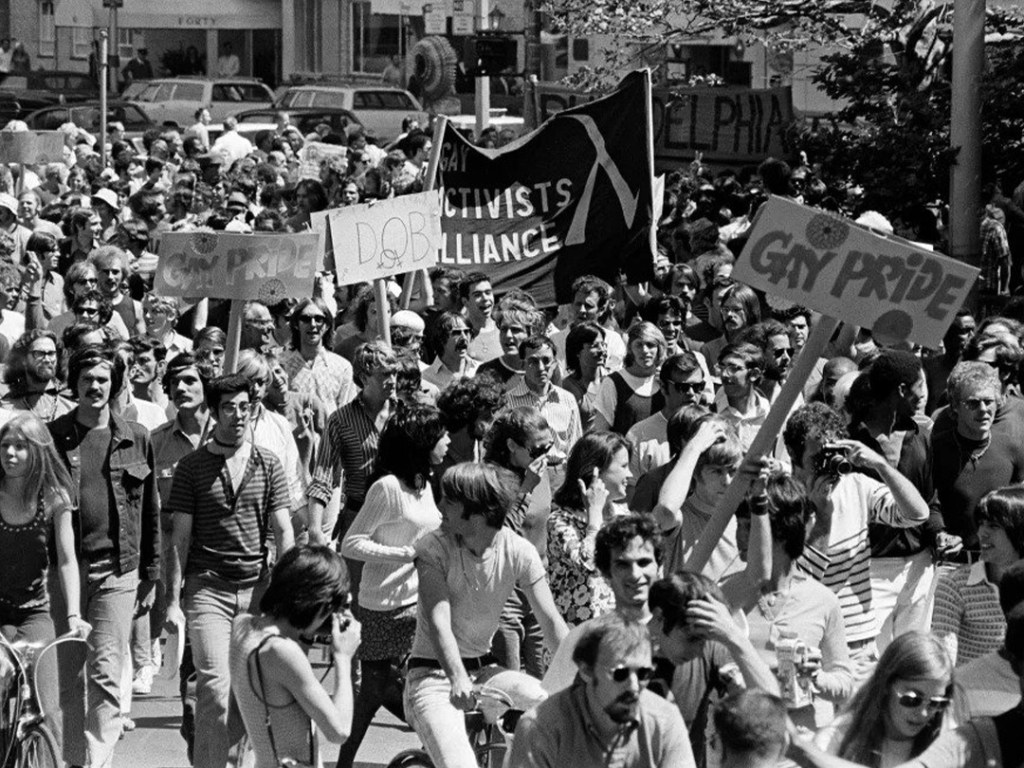
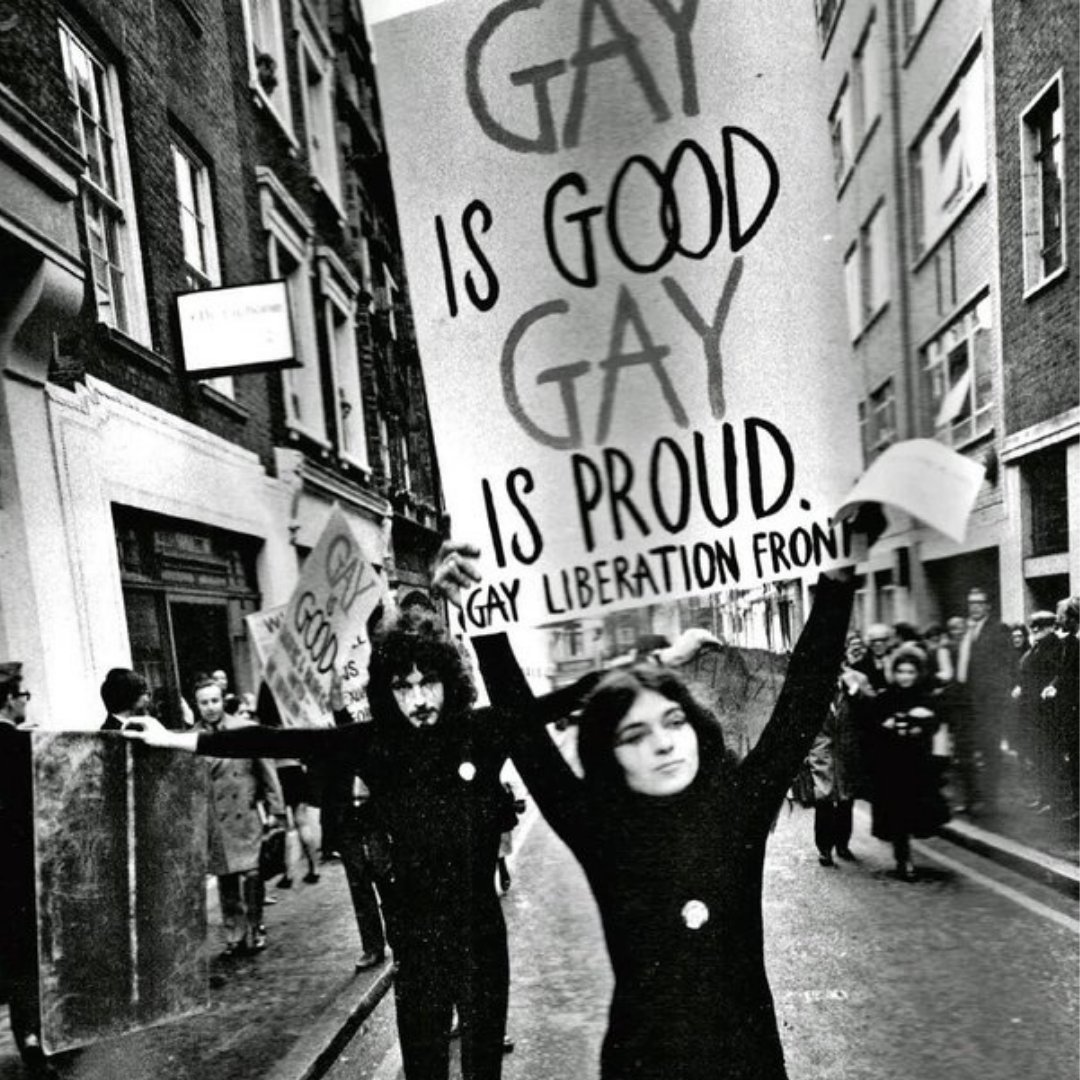
On the 1st of July 1972, the first Pride march was held in London. These marches now happen all over the world each year. They are a chance for the LGBTQ+ community to come together and show their pride, show that they are still advocating for their rights and for allies to demonstrate their support. The first Pride began as a riot (Stonewall in 1969), and since then they have become more of a celebration of the community. The UK’s first Pride was only 2 years after the first official march in New York, and it was planned to be as close to the anniversary of the Stonewall riots of 1969. There’s no doubt that the first UK Pride was a pivotal moment in the UK’s LGBTQ+ history. It is arguably one of the key moments that has helped the community to progress to where it is today.
2. The World health organisation declassifies homosexuality as a mental illness in 1992
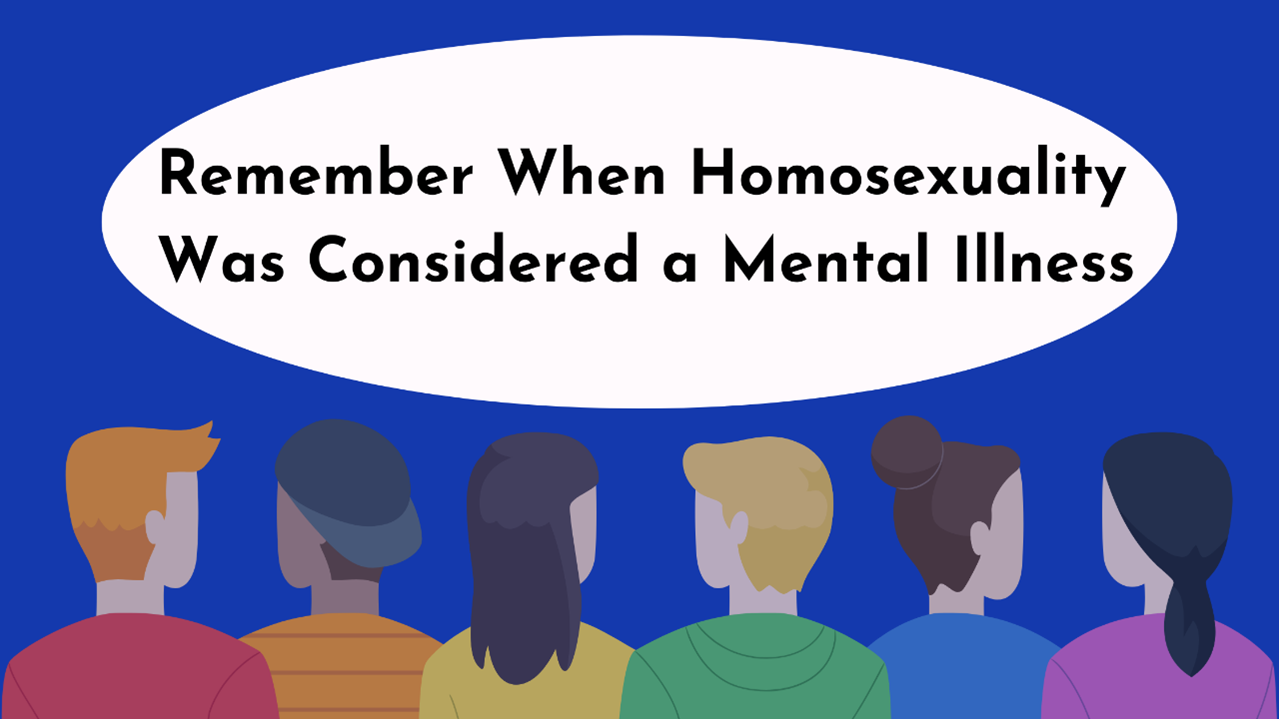
It seems unbelievable that being gay could ever be legally considered a mental illness, but until around 30 years ago it was! This declassification was a huge sigh of relief as this stigma had been hanging over the LGBTQ+ community despite the advances made in their rights up to this point. The impact this must have had whilst it was in effect would have been devastating. Members of the LGBTQ+ community were considered ‘mentally defected’ and ‘diseased’. The declassification thankfully led to lots of changes both in the UK and the US, including the approach to therapy, where LGBTQ+ members are now coached and encouraged to accept their sexual orientation rather than try to change it as previous ‘conversion’ therapies attempted.
3. The first gender reassignment surgery for a British transgender woman took place in 1951
Roberta ‘Betty’ Cowell was the first known trans woman in the UK to undergo vaginoplasty, which is a form of gender reassignment surgery. Before her, Michael Dillon had been the first trans man to have phalloplasty. Both individuals paved the way for future transgender people. Whilst these first surgeries were revolutionary, there was still a long way to go for transgender people in the UK. Today, those wishing to undergo gender transformation are able to have reassignment surgery and complete hormone therapy.
4. The Adoption and Children Act, 2002
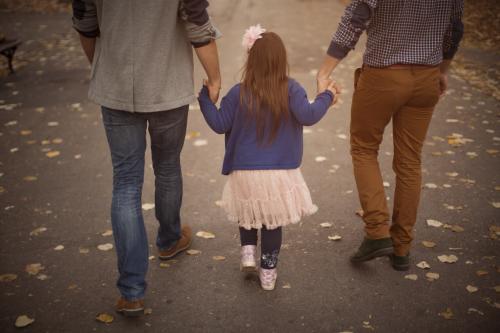
This legislation finally allowed same sex couples to have equal rights when it came to adoption. This was indeed a pivotal moment as it allowed people in the LGBTQ+ community to form their own families outside of the traditional nuclear family unit. Legislation had previously stated that to apply to adopt a child in England couples must be married, therefore blocking same sex couples. However, the new act allowed applications to be made by either single people or couples, regardless of their marital status. This law was passed after some challenges and came into effect at the end of 2005. It seems absurd that this happened less than 10 years ago, as now we view having two mums or two dads a very ordinary and accepted occurrence!
5. Same sex marriage legalised in 2013
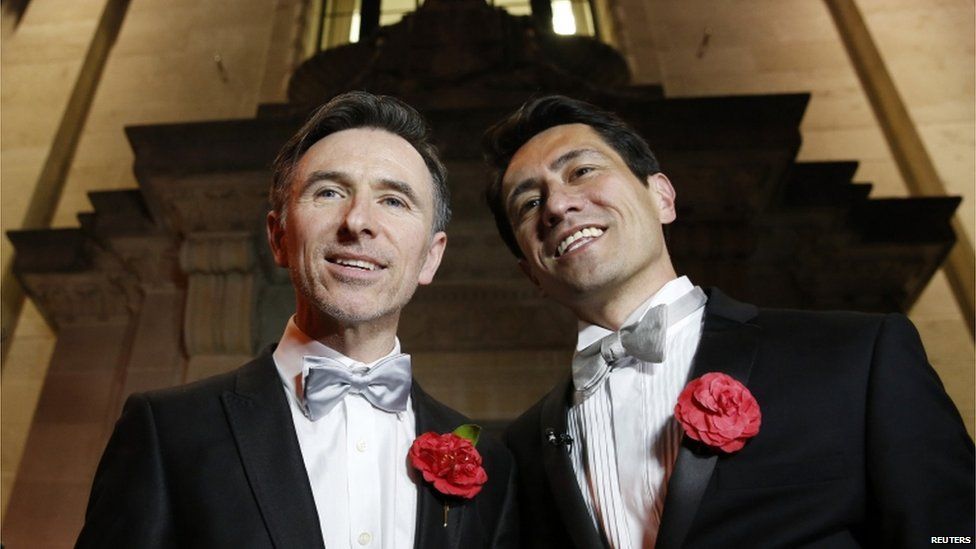
Same sex relationships in the UK had no legal recognition until 2005. This began with the Civil Partnership Act of November 2004. Although this was a step forward for same sex couples, a civil partnership did not give all the same rights as civil marriage did. There were certain rules about where civil partnerships could take place and what was allowed in the ceremony. It was not long before same sex marriage became legal in the UK with the Marriage (Same sex couples) Act of 2013. It wasn’t until 2014 that the first same sex marriage occurred between Peter McGraith and David Cabreza. Scotland soon followed suit with their own same sex marriage legislation. Hooray! Though this was a time for great celebration, there are still restrictions in place for same sex marriages in religious buildings and bias against same sex couples still exists.
 Worcester Student Life